














PETER ZEUGIN PLAYS MOZART SONATAS
A FORGOTTEN SWISS RECORDING REBORN ON MASTER TAPE
Can a master-tape edition bring us closer not only to the sound of a piano - but also to the interpretative traditions of another era?
Peter Zeugin’s 1968 recording of Mozart’s Piano Sonatas K.331 and K.570 is a fascinating rediscovery: an intimate Swiss studio performance preserved through an entirely analogue production history.
Zeugin was a Swiss pianist associated with two towering figures of twentieth-century pianism: Alfred Cortot and Edwin Fischer. Cortot was celebrated for poetic freedom and expressive insight, while Fischer became one of the century’s most respected interpreters of Mozart and Bach.
That heritage makes this recital particularly intriguing. Zeugin’s Mozart is not merely a demonstration of polished technique. It belongs to an interpretative tradition in which phrasing, tonal colour, balance and natural musical expression mattered more than mechanical perfection.
THE MUSICAL PROGRAMME
Wolfgang Amadeus Mozart
Piano Sonata No. 11 in A major, K.331
1. Andante grazioso
2. Menuetto – Trio
3. Alla Turca: Allegretto
The famous A-major Sonata begins unusually—not with a conventional sonata-form Allegro, but with an elegant theme followed by variations. Its graceful opening, courtly Menuetto and instantly recognisable “Alla Turca” finale demand delicacy, rhythmic character and remarkable control from the pianist.
Piano Sonata No. 17 in B-flat major, K.570
4. Allegro
5. Adagio
6. Allegretto
K.570 belongs to Mozart’s mature Viennese period. Its apparent simplicity can be deceptive: beneath its clarity and balance lies music requiring refined articulation, subtle dynamic shading and complete command of the melodic line.
Together, these two works reveal contrasting sides of Mozart - the theatrical brilliance and charm of K.331 followed by the poise, intimacy and emotional maturity of K.570.
THE ORIGINAL 1968 RECORDING
The recital was recorded in Switzerland at Tonstudio Lussi in 1968, using a Neumann microphone and a Studer C37 valve studio tape recorder.
It was originally released that year by Elite Special as catalogue PLPS 30103.
The Studer C37 is one of the legendary valve tape machines of the classical recording era. Combined with a carefully positioned Neumann microphone, such a simple recording arrangement had the potential to preserve the natural scale of the concert grand, the initial impact of every note, the harmonic body of the instrument and the acoustic space surrounding it.
This is especially important for solo piano. The instrument is notoriously difficult to reproduce convincingly: its upper register must remain clear without becoming brittle, while its middle and lower registers need weight without congestion.
THE TRISTON MASTERS EDITION
Triston Masters returned to the original analogue master for this deluxe reel-to-reel edition, released in June 2022 as TMR‑T0010.
The published specification is:
• 15 ips
• ¼-inch tape
• 2-track stereo
• CCIR equalisation
• Recording The Masters SM911 tape
• 10.5-inch metal NAB reel
• Deluxe limited-edition packaging
• High-quality presentation box and booklet
• AAA—an analogue chain from the original master tape to the final copy
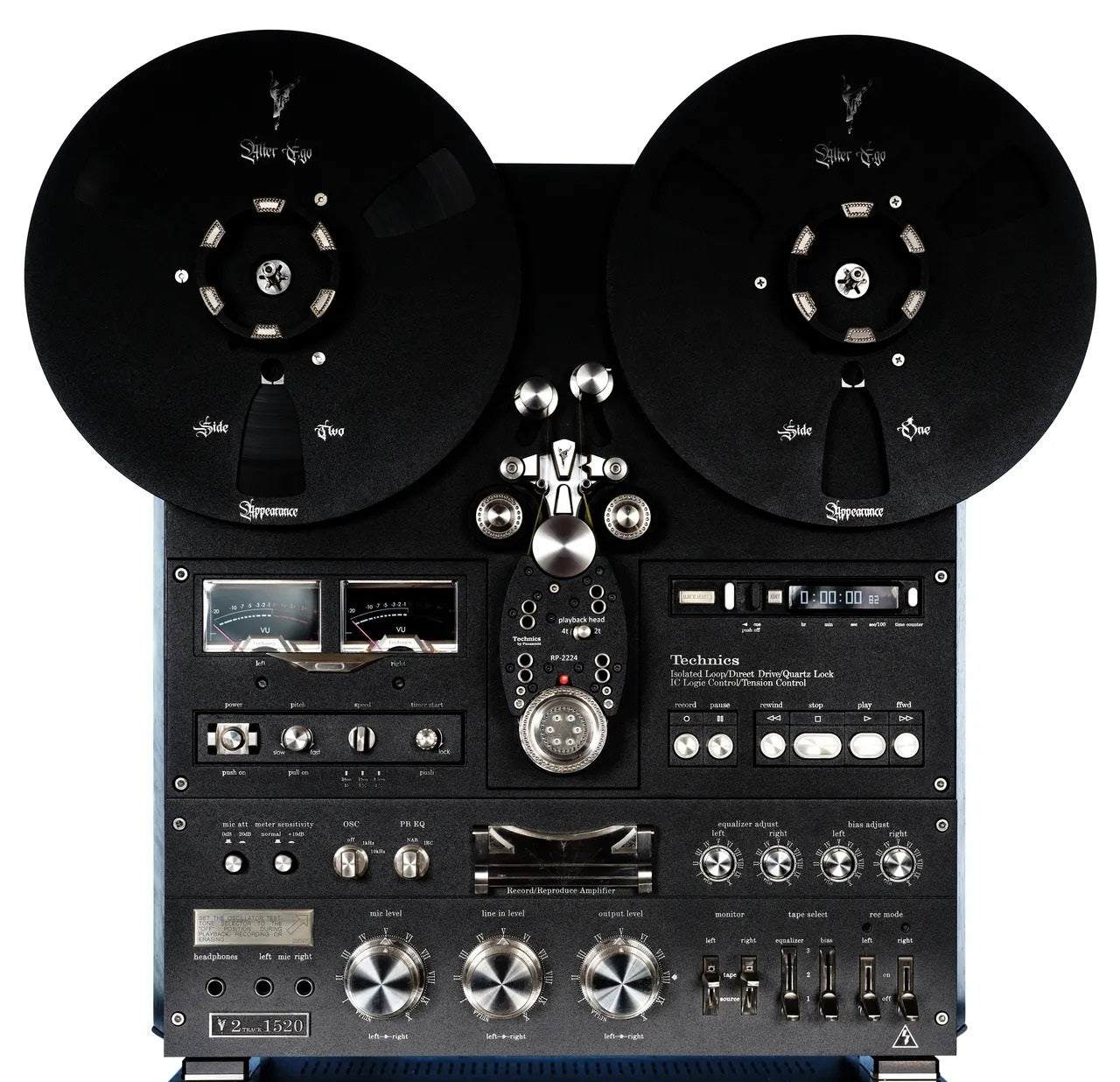
For duplication, the master is played on a Telefunken M10A International equipped with V86 and V87 valve amplifiers, with the copy recorded on a Telefunken M15.
No digital conversion is claimed, and no electronic effects or post-production processing are added.
EDITORIAL VERDICT
The real attraction of this edition is the union of performance, provenance and format.
This is not a modern pianist recorded in an artificially enlarged acoustic. It is a surviving document from 1968, created with a restrained microphone technique and classic European valve equipment, now presented in a format capable of retaining the recording’s dynamics, tonal density and immediacy.
At 15 ips, a well-produced two-track copy can reveal the physical character of the piano: the transient of the hammer, the resonance of the soundboard, the gradual decay of each note and the quiet atmosphere between phrases.
Rather than transforming the recording into something modern, the reel-to-reel edition invites us to encounter its original character more directly.
For admirers of Mozart, historic pianism and authentic analogue sound, Peter Zeugin spielt Mozart-Sonaten is more than another audiophile demonstration tape. It is the recovery of a little-known Swiss performance and a connection to a distinguished European piano tradition.
The edition is now described as discontinued, with only limited remaining stock—making it especially relevant to collectors of historically important analogue recordings.
DISCUSSION
Which matters more to you when choosing a master tape: the musical performance, the historic importance of the recording, or the quality of the analogue production chain?
And which Mozart piano sonata would you most like to experience at 15 ips?

|
Music For Life | Audiophile Quality
OpenReelToReel Hub & The Sound of Tape - Keeping the Reel-to-Reel Renaissance in Motion
#PeterZeugin #Mozart #MozartSonatas #ReelToReel #MasterTape #AnalogueRecording #TristonMasters #StuderC37 #TelefunkenM10A #SM911 #ClassicalMusic #Audiophile #TwoTrackTape #TheSoundOfTape #OpenReelToReel
 Спілкуйтеся з нами
