












APSoon Recordings: Timeless Performances on Analog Vinyl and 15 IPS Reel Tape
An Editorial Review of the Estonian Audiophile Label and Its Current Physical-Media Catalogue
In a recording industry increasingly shaped by editing, overdubbing and digital manipulation, Estonia’s APSoon Recordings has chosen a more demanding philosophy: capture musicians performing together, preserve the acoustic character of the venue and interfere as little as possible with the musical event.
Founded by producer and recording engineer Aular Soon, APSoon concentrates principally on Estonian jazz, classical music and historically important church organs. Its sessions are recorded in high-resolution Pure Stereo DSD256, frequently as complete live performances without cutting or corrective editing. The label’s stated objective is not merely technical perfection, but the preservation of atmosphere, dynamics and musical communication.
That distinction matters. APSoon’s vinyl records are not AAA productions cut directly from analogue master tape. Most are recorded natively in DSD256 and subsequently transferred to 180g vinyl. The exception is Turning Point, which originates from an earlier analogue recording. APSoon’s sole confirmed reel-to-reel edition is also produced from a native DSD256 recording.
Yet source format alone does not determine musical quality. What APSoon demonstrates is that a carefully engineered DSD production, captured with excellent microphones in an acoustically rewarding space, can produce a remarkably natural and convincing physical release.
 |
The APSoon Sound
The defining quality of APSoon’s catalogue is space.
Its church-organ recordings do not reduce the instrument to a succession of notes emerging from loudspeakers. They attempt to reproduce the architecture surrounding the organ: the long reverberation, the pressure generated by the lowest pipes and the gradual decay of sound into the building.
The jazz recordings pursue a similarly natural presentation. Instruments are allowed to occupy their own acoustic positions, with comparatively little evidence of aggressive compression or artificial spotlighting. This approach preserves transient attack, instrumental texture and the small timing relationships that make a live ensemble sound alive.
APSoon uses specialist microphones including B&K 4006, Josephson C700A and Sonodore designs, together with battery-powered preamplification and Merging Technologies conversion. Recording engineers Aular Soon and Priit Kuulberg repeatedly favour simple, acoustically sympathetic techniques over densely constructed multitrack production.
The result is a catalogue with a recognisable identity: spacious, dynamic and musically unforced.
The Reference Reel-Tape Edition
Aare-Paul Lattik — Tallinn Cathedral Organ
APSoon’s confirmed reel-to-reel release is an imposing demonstration of both organ recording and modern high-speed tape reproduction.
Recorded at Tallinn Cathedral on 2 July 2024, the programme includes music by Maurice Duruflé, Gabriel Pierné and Jules Grison, together with Aare-Paul Lattik’s Revaler Totentanz. The total playing time is approximately 39 minutes.
The recording presents the cathedral as an essential component of the performance. Deep pedal notes carry physical authority, but the album’s real achievement is its ability to retain air around the instrument. Quieter passages reveal the softer colours of the organ and the slow bloom of the surrounding architecture; climaxes develop weight without collapsing into a congested wall of sound.
Lattik’s performance is disciplined but never clinical. Duruflé’s extended Prélude, Adagio et Choral varié sur le thème du Veni Creator receives the scale and concentration it requires, while Grison’s Toccata en fa provides a suitably exhilarating conclusion.
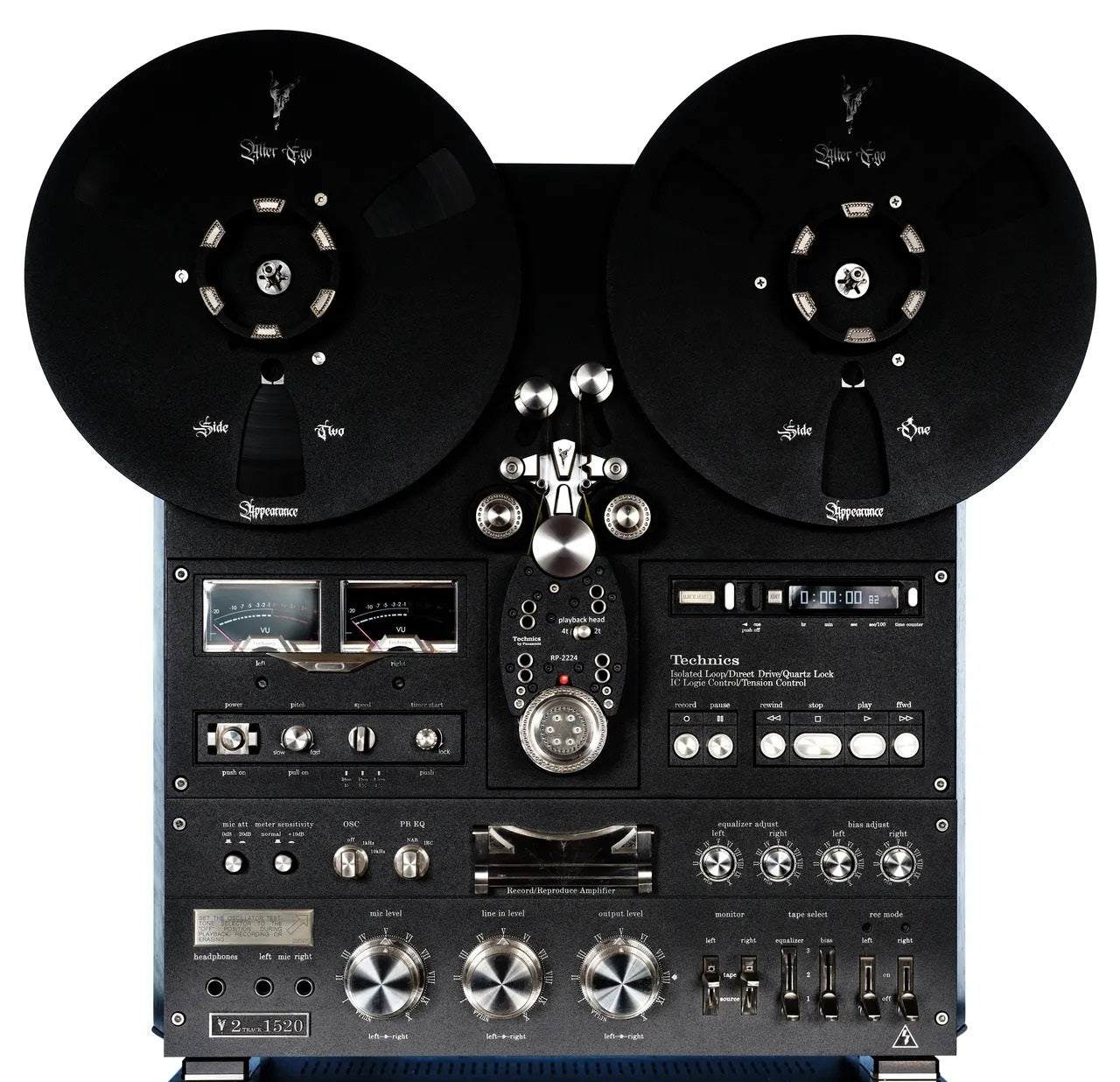
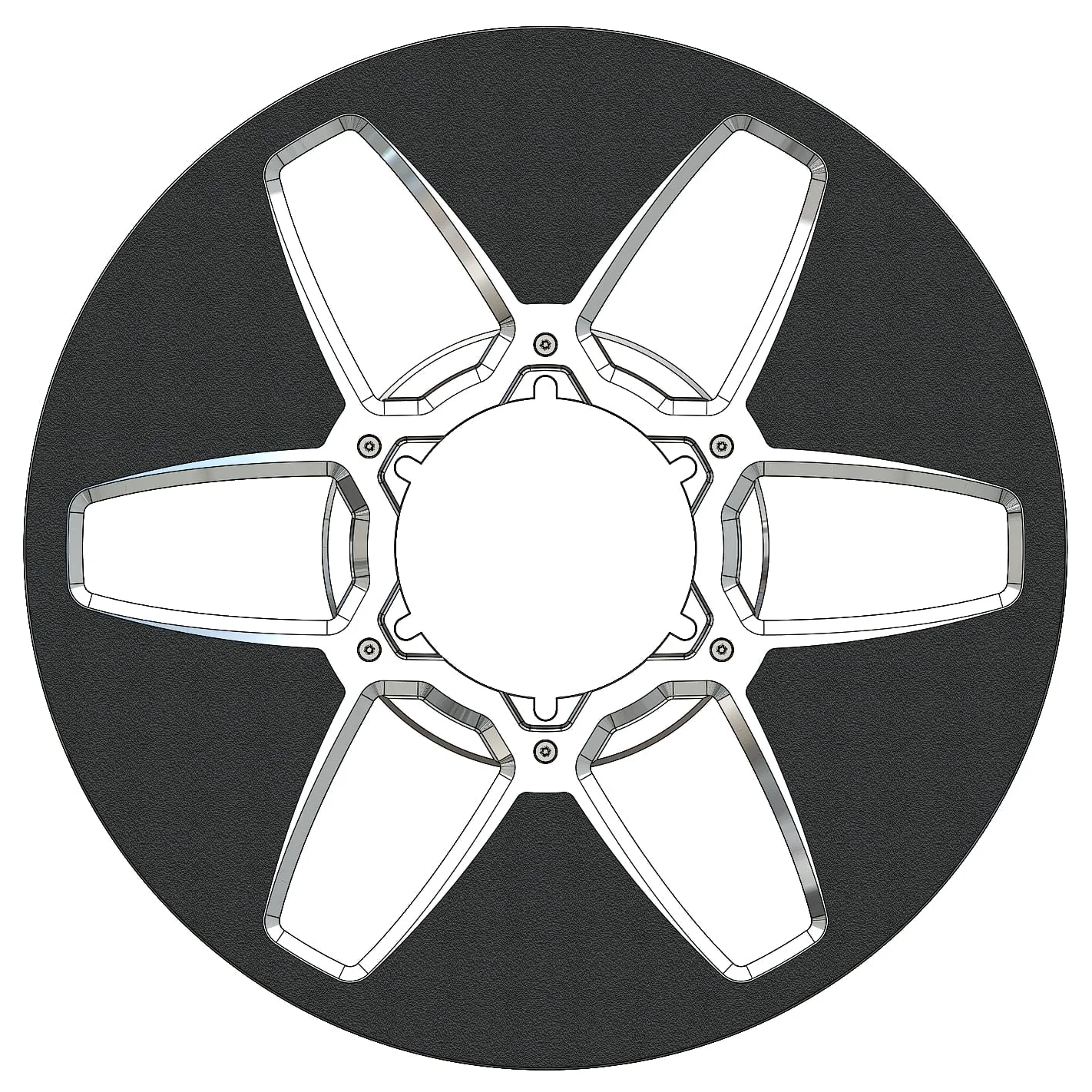
The reel-tape edition is recorded on SM900 tape, supplied on a metal reel and reproduced at 15 ips using CCIR equalisation. It is a two-channel stereo release priced at €278 through NativeDSD. Importantly, its original recording format is DSD256; it is therefore a DSD-to-analogue tape production, not an all-analogue master-tape copy.

|
Master Reel-Tape Catalogue
|Artist and album |Source |Tape specification |Catalogue number|Current price|
|--------------------------------------------|--------------------|---------------------------------------------------|----------------|------------:|
|Aare-Paul Lattik — *Tallinn Cathedral Organ*|Native Stereo DSD256|SM900, metal reel, 15 ips, CCIR, two-channel stereo|APS06024T |€278 |
For reel-to-reel collectors, the release is valuable not because it claims an AAA lineage, but because it places a spacious, minimally edited DSD256 organ recording onto a premium high-speed analogue carrier. Its provenance should be stated clearly, allowing buyers to appreciate it for what it genuinely is.
Current Vinyl Highlights
Aare-Paul Lattik — Live at Riga Cathedral
This is arguably the most spectacular entry in APSoon’s organ series. Captured during a live concert and issued without editing, it combines the scale of the Riga Cathedral organ with the tension and continuity of a real public performance.
Lattik explores not only the instrument’s tremendous bass capability but also its contrasting voices, colours and dynamic gradations. The recording can challenge a full-range audio system, yet it is more than an audiophile demonstration disc. Musical architecture, registration and the emotional trajectory of the recital remain central.
Issued as a 180g LP from a native DSD256 recording, it is one of APSoon’s most persuasive combinations of musical substance and spectacular sound.
Aare-Paul Lattik — Tallinn Cathedral Organ
The vinyl edition presents the same programme that appears on the reel tape. Tallinn Cathedral contributes a broad, soft acoustic that surrounds the organ without obscuring its inner detail.
Duruflé’s extended work supplies the spiritual centre of the album, while Pierné and Grison add contrast and momentum. The 180g LP cannot reproduce the reel tape’s uninterrupted programme structure, but it remains an accessible and highly effective introduction to APSoon’s recording aesthetic.
Aare-Paul Lattik — St Paul’s Church Organ in Tartu
This recording features a modern instrument built in 2015 by Paschen Kiel Orgelbau. Lattik performs French repertoire by Duruflé, Dallier, Ropartz and Franck.
The newer organ has a clean, articulate personality, while the church contributes warmth and spiritual depth. Duruflé’s Suite, Op. 5 and Franck’s Final, Op. 21 provide both musical drama and a revealing test of an audio system’s low-frequency control, harmonic colour and ability to reproduce reverberant space.
Andres Uibo — Paide Church Organ
The first release in APSoon’s revived Estonian Organs series combines Beethoven, Max Reger and Estonian composer Rudolf Tobias.
Uibo gives the programme dignity and clarity, while the recording allows the listener to hear the Paide instrument as a distinctive historical voice. Beethoven’s pieces for mechanical organ are especially engaging, and the chorale-based works on the second side create a more meditative atmosphere.
Recorded in Stereo DSD256 with B&K and Sonodore microphones, it established the technical and musical principles followed by the later organ releases.
Andres Uibo — Niguliste Church Organ
Here Uibo appears as both performer and composer. The programme includes his Apocalypsis Symphony and Three Choral Meditations, written between 1993 and 2005.
The music balances direct thematic writing with more dramatic, large-scale gestures. Niguliste’s cathedral-like acoustic gives the compositions grandeur, but APSoon’s recording retains sufficient definition to prevent the reverberation from overwhelming their structure.
This is one of the catalogue’s most personal albums and an excellent entry point for listeners interested in contemporary Estonian organ music.
Aivar Sõerd — Kullamaa Church Organ
The Kullamaa instalment continues APSoon’s documentation of Estonia’s individual church instruments. Its appeal lies in the relationship between organ, performer and building rather than in spectacular scale alone.
Compared with the largest cathedral recordings, the presentation is more intimate and historically grounded. It is particularly rewarding for listeners interested in tonal character, pipe colour and the way different buildings shape an organ’s identity.
Aivar Sõerd — Rakvere Church Organ
The Rakvere recording offers another distinct acoustic portrait. Sõerd’s controlled playing allows the instrument’s individual registers to emerge clearly, while the live DSD256 recording preserves the natural progression from direct pipe sound to the church’s reverberant field.
Together, the Rakvere and Kullamaa albums demonstrate why APSoon’s Estonian Organs project is culturally important: it is building a high-resolution archive of instruments that might otherwise remain known principally to local audiences.
APSoon’s Jazz Catalogue
Gourmet Quartet — Fragments of Time
Fragments of Time is a live DSD256 recording of jazz standards performed with elegance and conversational ease.
The quartet’s restraint is one of the album’s strengths. Rather than pursuing exaggerated audiophile effects, the musicians allow melody, phrasing and ensemble interaction to guide the recording. Instruments retain believable size and position, while the absence of extensive editing gives the performance a continuous, human character.
It is a sophisticated late-evening jazz record and one of the catalogue’s most approachable releases.
Tõnu Naissoo Trio — Midnight Breeze
This album was promoted as Estonia’s first jazz recording made in Pure Stereo DSD256. Recorded at Tubina Hall in the Heino Eller Music School in Tartu, every selection was played as a complete performance without cuts or edits.
The programme mixes standards, an original title track and jazz arrangements of rock and pop songs, including “Behind Blue Eyes,” “Eight Days a Week” and “Lady Jane.” Tõnu Naissoo’s piano playing is agile and inventive, supported by Taavo Remmel’s deep, resonant double bass and responsive trio interplay.
The result is polished but spontaneous—familiar melodies are transformed without losing their identity.
Tiit Kalluste Quintet — Let’s Swing
Accordionist Tiit Kalluste leads a quintet featuring vocalist Susanna Aleksandra, guitarist Ain Varts, bassist Taavo Remmel and drummer Kaspar Kalluste.
The album evokes the warmth of 1930s swing without becoming a museum piece. Accordion and voice form its distinctive centre, surrounded by relaxed guitar, natural double bass and lightly handled percussion. Performances were recorded without cuts or editing, contributing to the easy momentum and organic balance.
Selections including “Jive at Five,” “Bluesette,” “Wave,” “Smile” and “Ain’t Misbehavin’” make this one of APSoon’s most immediately enjoyable releases.
Tõnu Naissoo Trio — Turning Point
Although it is not presently listed in APSoon’s own ten-title vinyl shop, the 180g edition remains listed through NativeDSD.
Originally recorded by Enn Laidre and released by Melodiya, Turning Point is the catalogue’s notable analogue-origin production. The original session used a Studer A80 and Neumann U67 microphone, with the master later transferred to DSD by Priit Kuulberg and Aular Soon.
Musically, the album moves from intimate ballads to rhythmically assertive post-bop. Naissoo’s use of Rhodes electric piano adds colour and period character, making this an essential document of Estonian jazz at the turn of the 1980s.
Current APSoon Vinyl Catalogue
APSoon’s official shop currently lists ten 180g vinyl titles. At the time of review, each is displayed at €34.90 including VAT, although prices and availability may change.
|Artist |Album |Genre |Original recording source|
|---------------------|---------------------------------|--------------------|-------------------------|
|Aare-Paul Lattik |*Live at Riga Cathedral* |Classical organ |Native DSD256 |
|Aare-Paul Lattik |*Tallinn Cathedral Organ* |Classical organ |Native DSD256 |
|Aare-Paul Lattik |*St Paul’s Church Organ in Tartu*|Classical organ |Native DSD256 |
|Andres Uibo |*Paide Church Organ* |Classical organ |Native DSD256 |
|Andres Uibo |*Niguliste Church Organ* |Contemporary organ |Native DSD256 |
|Aivar Sõerd |*Kullamaa Church Organ* |Classical organ |Native DSD |
|Aivar Sõerd |*Rakvere Church Organ* |Classical organ |Native DSD |
|Gourmet Quartet |*Fragments of Time* |Jazz |Live DSD256 |
|Tõnu Naissoo Trio |*Midnight Breeze* |Jazz |Live DSD256 |
|Tiit Kalluste Quintet|*Let’s Swing* |Vocal swing and jazz|Live DSD256 |
Additional vinyl currently listed through NativeDSD:
|Artist |Album |Genre |Original recording source|
|-----------------|---------------|-------------|-------------------------|
|Tõnu Naissoo Trio|*Turning Point*|Estonian jazz|Analogue tape; Studer A80|

|
Editorial Verdict
APSoon Recordings is building something more meaningful than a collection of audiophile demonstration albums. Its catalogue documents Estonian performers, jazz history, contemporary composition and the unique voices of important Baltic church organs.
Its best productions succeed on two levels. They provide the scale, dynamics, imaging and low-frequency extension sought by serious audio enthusiasts, but they also retain enough musical purpose to reward repeated listening after the initial sonic fascination has passed.
Live at Riga Cathedral is the most spectacular organ statement. Tallinn Cathedral Organ is the natural choice for reel-to-reel collectors. Midnight Breeze offers the strongest combination of familiar material, improvisation and modern live-recording quality, while Turning Point is the historically most significant jazz release.
The catalogue should always be described accurately: these are predominantly native DSD256 recordings transferred to vinyl or, in one case, high-speed reel tape. They are not AAA productions. That does not diminish their achievement. APSoon’s real distinction lies in its commitment to complete performances, minimal intervention, carefully chosen acoustics and the preservation of genuine musical dynamics.
In an age of increasingly artificial production, APSoon Recordings reminds us that fidelity begins before the signal reaches any format. It begins with musicians in a real space—and with engineers prepared to let that moment remain alive.

|
The Sound of Tape - www.thesoundoftape.com
 Chat With Us
