













🎻 PIERRE FOURNIER - CELLO RECITAL

|
A Lost Armenian Radio Archive Returns on Pure-Analogue Double LP Record
There are historical recordings that document a performance—and then there are recordings that seem to reopen the room in which the music was first played.
Pierre Fournier — Cello Recital, released as Armenian Radio Archive Volume 1, belongs firmly to the latter category. This remarkable double LP restores previously unreleased mono and stereo recordings made in 1961, during Fournier’s visit to the former Soviet Republic of Armenia.
Issued by Triston Master Recordings — Schopper Edition, the album brings together the French cellist Pierre Fournier and Soviet pianist Naum Walter in a programme of Debussy, Stravinsky, Bloch, Fauré, Ravel and Francoeur.
The Aristocrat of the Cello
Pierre Fournier was often described as the “aristocrat of the cello”—a fitting tribute to the elegance, refinement and apparent effortlessness of his playing.
His artistry was never dependent upon exaggerated emotion or theatrical dynamics. Fournier communicated through balance, clarity and an unmistakably warm, golden tone. His bowing could be commanding without becoming aggressive, while his quieter playing possessed remarkable delicacy and concentration.
Naum Walter proves an ideal musical partner. His accompaniment never competes with the cello; instead, it frames Fournier’s melodic lines with sensitivity, precision and an instinctive understanding of the music’s emotional direction. Their dialogue feels natural, intimate and deeply poetic.
A Programme of Contrasts
The recital moves through several distinct musical worlds:
Side A — Stereo
1. Debussy — Prélude (2:37)
2. Stravinsky — Russian Song (3:24)
3. Bloch — Nigun (6:28)
Side B — Stereo
1. Fauré — Élégie (6:37)
2. Ravel — Habanera (2:42)
Side C — Mono
1. Debussy — Prélude (2:37)
2. Stravinsky — Russian Song (3:24)
3. Bloch — Nigun (6:28)
Side D — Mono
1. Fauré — Élégie (6:37)
2. Ravel — Habanera (2:42)
3. Francoeur — Largo (1:49)
4. Francoeur — Allegro (2:07)
Each work becomes a self-contained narrative. Bloch’s Nigun brings spiritual intensity and searching lyricism, while Fauré’s Élégie allows Fournier’s burnished tone to unfold with extraordinary emotional dignity. The shorter works by Debussy, Stravinsky and Ravel offer changes of colour, rhythm and atmosphere without disturbing the recital’s underlying intimacy.
The Francoeur encores, included on Side D, provide an additional glimpse of Fournier’s poise, agility and classical refinement.
Stereo and Mono: Two Views of the Same Performance
One of the most fascinating features of this edition is its presentation of the principal programme in both stereo and mono.
Sides A and B reveal the spatial character of the 1961 radio studio, with the cello and piano occupying clearly defined positions. There is a convincing sense of air around the instruments and an engaging impression of the musicians performing within a real acoustic environment.
Sides C and D offer a different perspective. The mono presentation concentrates the musical image, giving the cello a more immediate physical presence. The texture of the bow, the tension of the strings and the resonance of the instrument’s body appear especially direct and tangible.
Neither version should be regarded simply as superior. The stereo recording provides space and separation; the mono version offers focus, density and intimacy. Hearing both allows the listener to experience the same performance from two complementary viewpoints.
From the Original Master Tape
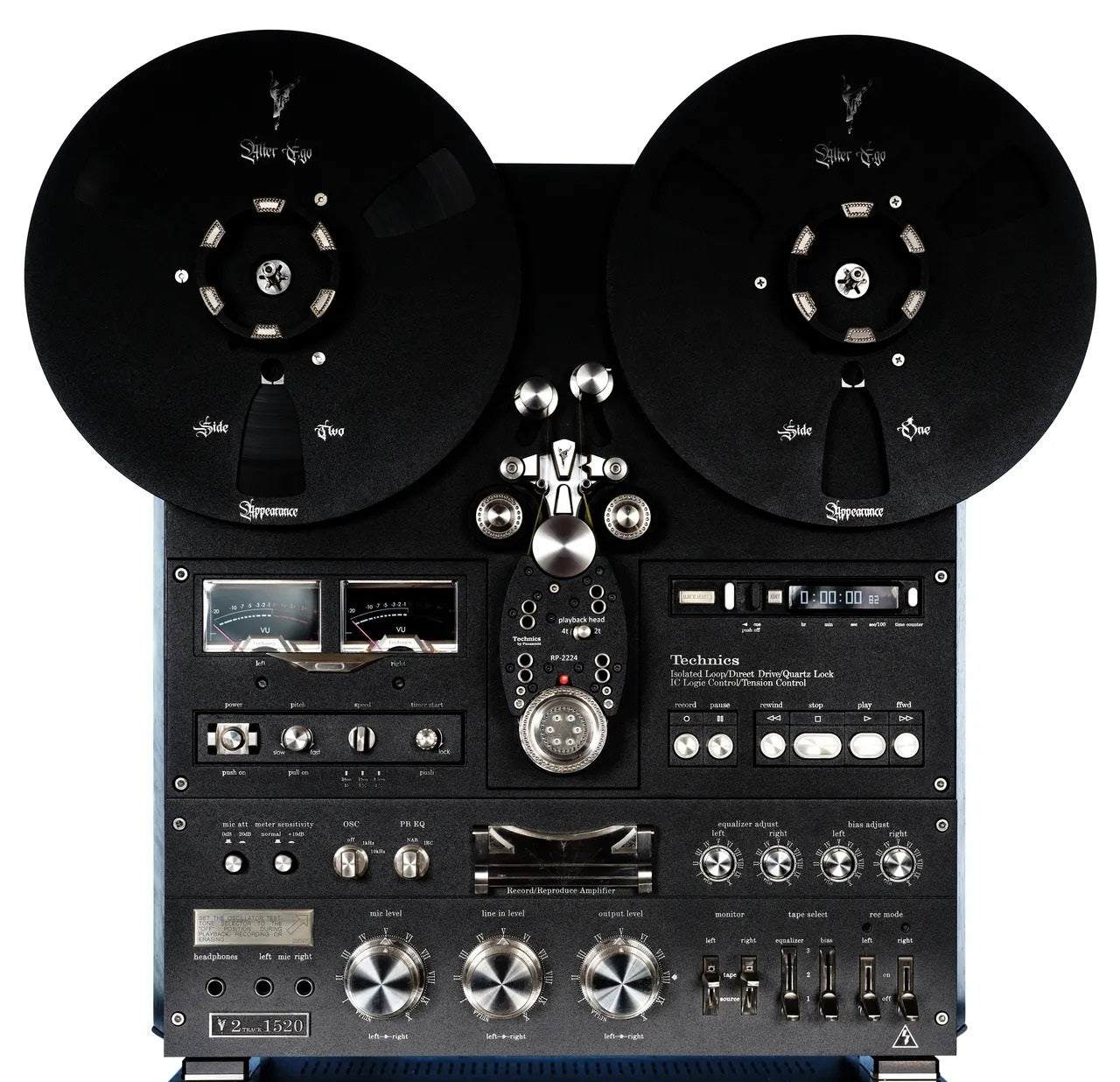
The album has been produced as an exact reproduction of the original analogue master tape, with no digital equipment or digital post-processing used in the production chain.
The master was cut in Switzerland using a Studer C37 tape machine with a Neumann VMS-70/FloKaSon cutting system. The records were pressed by MEK Vinyl GmbH as a two-disc, 180-gram set running at 45 rpm.
That 45 rpm format gives the music generous physical space. Fournier’s quieter phrases remain articulate, while the more powerful passages retain their scale and momentum without sounding congested.
The recording naturally carries traces of its archival origin. A faint layer of tape noise can occasionally be heard, but it does not obscure the performance. Rather than applying digital noise reduction and risking damage to the musical information, the production respects the character of the surviving master.
The reward is a presentation rich in instrumental texture: the movement of the bow, Fournier’s breathing, the bloom of the cello’s soundbox and the lingering resonance of Walter’s piano all contribute to an unusually immediate listening experience.
The Verdict
Pierre Fournier — Cello Recital is more than another classical reissue. It is the recovery of a musical event that had remained hidden within the Armenian Radio Archive for more than six decades.
The combination of Fournier’s noble musicianship, Walter’s sympathetic accompaniment, the contrasting mono and stereo presentations and the uncompromising analogue production makes this a release of genuine historical and audiophile significance.
It may not possess the clinically silent background of a modern digital recording—and that is precisely part of its value. This edition preserves the age, atmosphere and physical reality of the source while allowing the emotional power of the performances to emerge intact.
Produced by Jürg Schopper, mastered by Simon Kummer and released as Triston Master Recordings Schopper Edition TMR-SE 0025, the set is strictly limited to only 250 hand-numbered copies worldwide.
For admirers of Pierre Fournier, collectors of historic broadcast performances and listeners who value pure-analogue vinyl production, this is not simply an album to own. It is an archive to experience.
⭐ EDITORIAL VERDICT: ESSENTIAL FOR CELLO AND HISTORICAL-RECORDING COLLECTORS
💬 Which presentation would you play first—the spacious 1961 stereo recording or the concentrated, intimate mono version?
#PierreFournier #CelloRecital #ArmenianRadioArchive #TristonMasterRecordings #SchopperEdition #AudiophileVinyl #ClassicalVinyl #45RPM #DoubleLP #PureAnalogue #AAARecording #MasterTape #VinylCollectors #HistoricRecordings #OpenReelToReel
 Chat With Us
