











![75th Anniversary Collection Album [UHQCD]](http://www.thesoundoftape.com/cdn/shop/files/UHQCD_600x600_cover_front_80x80.png?v=1791014990)
![75th Anniversary Collection Album [2xLPs]](http://www.thesoundoftape.com/cdn/shop/files/LP_600x600_cover_front_80x80.png?v=1791014367)


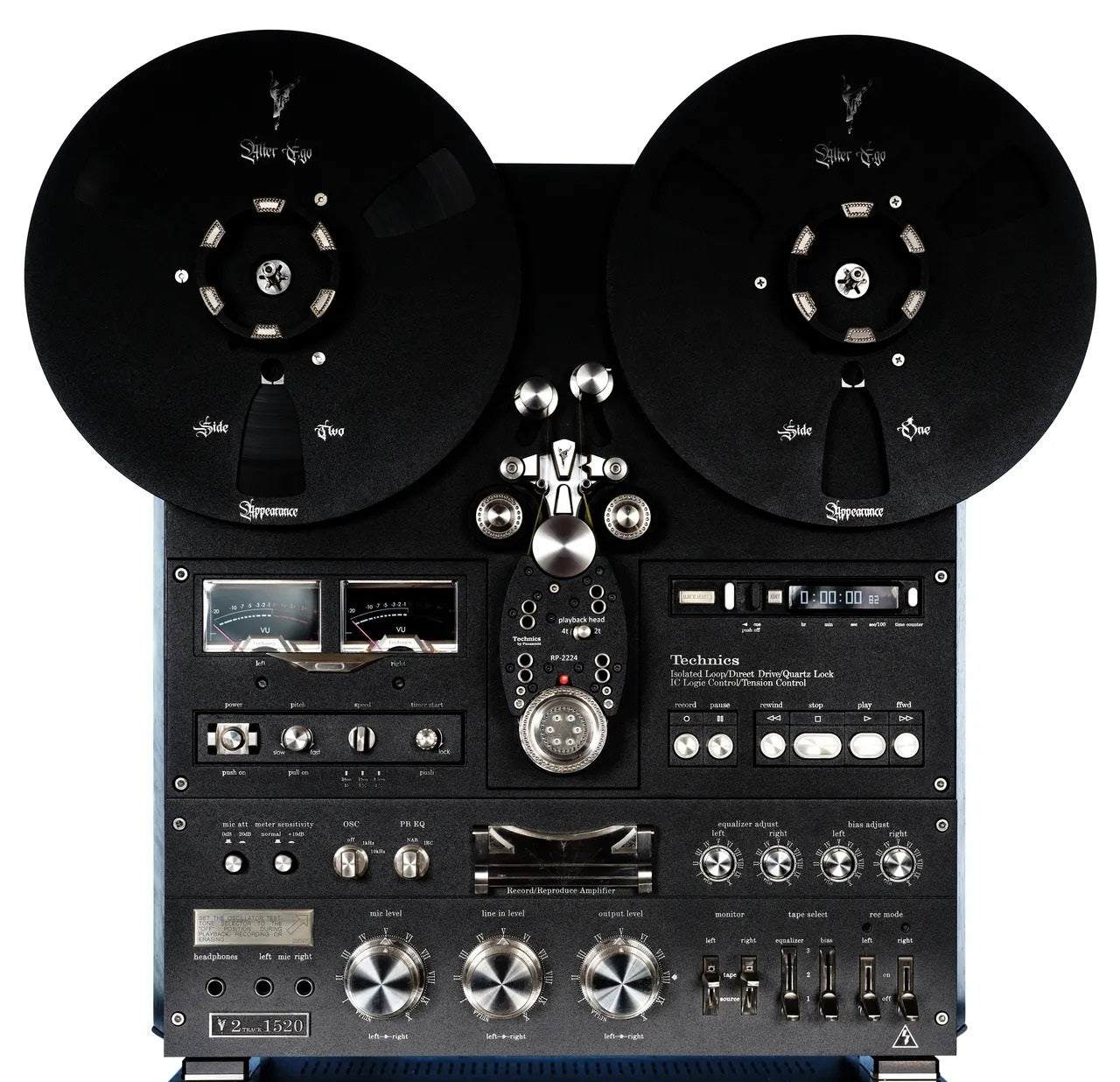
Technics RS-10A02 — Professional 2-Track Open-Reel Tape Recorder

|
A Refined Approach to Professional Open-Reel Recording
The Technics RS-10A02 was designed as a serious professional and semi-professional 2-track stereo open-reel tape recorder for broadcasting, recording studios, film production and demanding high-fidelity applications.
At the heart of the machine was Technics’ distinctive Isolated Loop tape transport, an engineering solution developed to maintain extremely stable tape tension while reducing modulation noise, wow, flutter and other mechanical disturbances that could compromise recorded sound.
With three tape speeds, direct-drive reel motors, a quartz-controlled direct-drive capstan, professional calibration controls, SX Sendust heads and switchable NAB/IEC equalisation, the RS-10A02 represented one of Technics’ most technically ambitious open-reel recorders.

|
The Isolated Loop Transport
For professional recording, a tape transport must satisfy several essential requirements.
It must provide:
1. Correct and stable tape speed, free from significant speed variation regardless of tape position.
2. Extremely low wow and flutter.
3. Low and stable tape tension in order to maintain optimum tape-to-head contact.
4. Minimum modulation noise, level fluctuation, head wear and tape dropout.
5. Rapid start-up to rated speed without excessive hunting or overshoot.
Technics designed the R&B Series Isolated Loop Transport System to address these requirements.
Unlike many conventional tape transports, the RS-10A02 used a highly controlled tape path centred around a large single capstan assembly.
Technics claimed that the stability of this transport was sufficiently high that irregularities present in some test tapes could become more significant than the transport itself when measuring parameters such as wow, flutter and speed deviation.
Single Capstan Versus Conventional Double-Capstan Systems
Many professional tape transports were designed around dual-capstan closed-loop arrangements.
The purpose of a closed-loop system is to reduce the influence of tape-tension fluctuations created by the supply and take-up reel motors.

|
Technics adopted a different approach.
The company argued that conventional double-capstan systems could introduce their own complications because their performance depends on the precise relative speed of two capstans and on accurately matched pinch-roller pressure.
Any difference between the two capstan speeds could make tape-speed and tape-tension adjustment more difficult.
The relatively long length of tape stretched between two capstans could also contribute to modulation noise and scrape flutter.
The Technics single-capstan isolated-loop system was designed so that tape speed and pinch-roller pressure remained symmetrical on both sides of the capstan.
A wide contact area between the pinch rollers and an unusually large capstan enabled operation with relatively low tape tension.
The nominal tape tension was approximately 80 grams.
Because the tape path between the main capstan and reversing roller was short, Technics stated that modulation noise, wow, flutter and level variations could be significantly reduced.
34 mm Direct-Drive Capstan
One of the defining mechanical elements of the RS-10A02 was its exceptionally large 34 mm diameter capstan.
The capstan was driven by a quartz phase-locked direct-drive DC brushless servo motor.
According to the original Technics literature, this arrangement provided extremely accurate speed stability.
Maximum deviation at 15 ips was specified at approximately ±0.1% maximum deviation, with speed fluctuation quoted at approximately 0.05% at 15 ips.
The direct-drive architecture eliminated many intermediate mechanical components commonly found in belt-driven or idler-driven tape machines.
This helped reduce mechanical wear while improving long-term speed stability.
Air-Damped Tape Tension Control
The isolated-loop transport incorporated air-damped tension rollers.
These rollers worked together with the direct-drive reel motors to maintain stable tape tension across the transport.
The system included:
- Air-damped tension rollers
- Double pinch rollers
- 34 mm super-large capstan
- Reversing roller with strobe markings
- Direct-drive supply reel motor
- Direct-drive take-up reel motor
The two reel motors were DC brushless direct-drive units with electronic tape-tension control.
This arrangement reduced dependence on mechanical clutches and helped maintain consistent tension regardless of reel size or tape position.
Tape Format
The RS-10A02 was designed for professional 1/4-inch magnetic tape.
Tape Width:
1/4 inch / 6.3 mm
Track Configuration:
2-channel, 2-track stereo record and playback
The approximate track width was 0.068 inch / 1.75 mm per track.
The machine therefore used substantially more tape area per audio channel than consumer quarter-track stereo recorders.
This configuration provided improved signal-to-noise performance and increased headroom, making it suitable for professional mastering, broadcasting and studio work.
Three Tape Speeds
The RS-10A02 supported three standard professional and semi-professional tape speeds:
- 15 ips — 38.1 cm/s
- 7½ ips — 19.05 cm/s
- 3¾ ips — 9.53 cm/s
Pitch control was available for record and playback.
The brochure specifies approximately ±6% pitch adjustment.
Reel Capacity
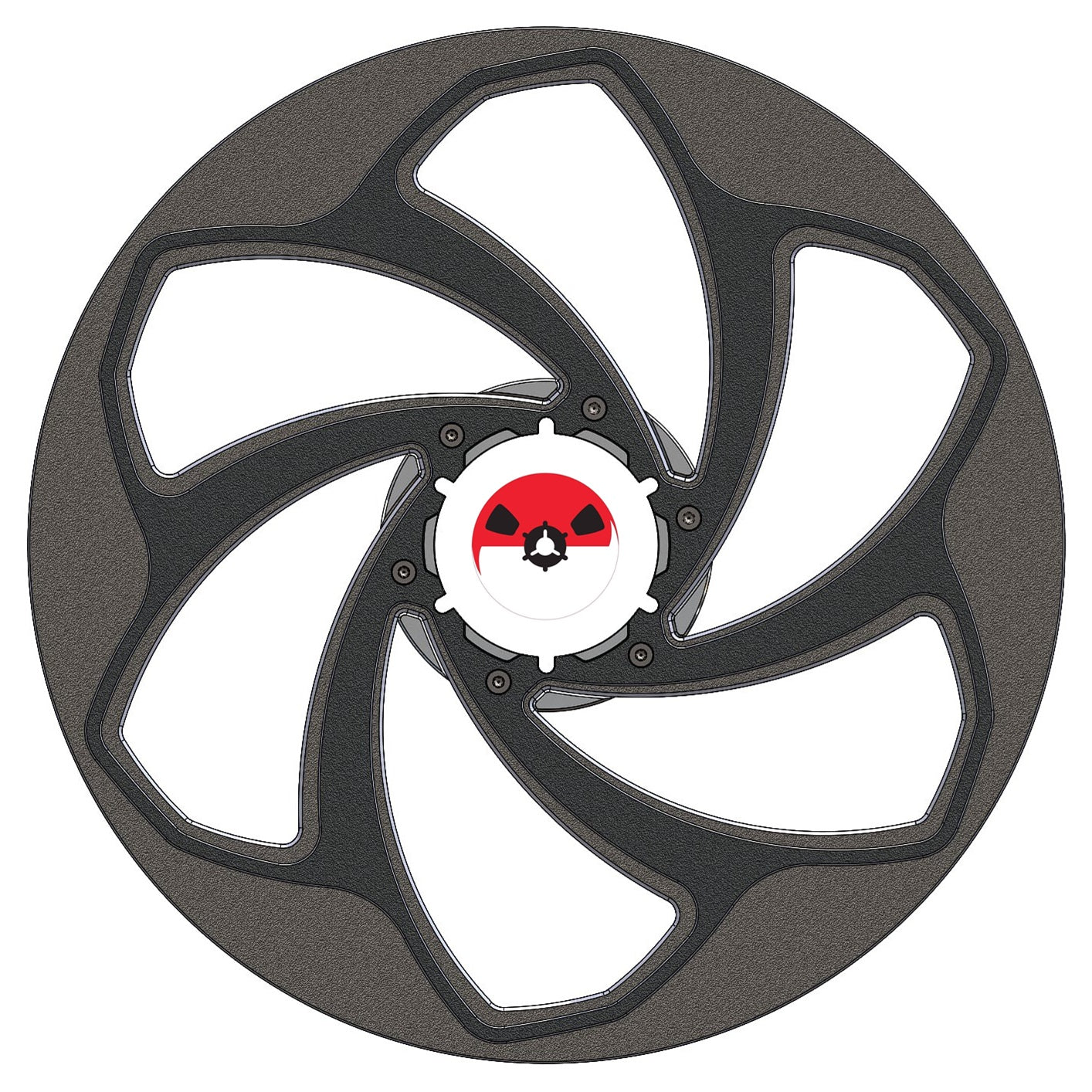
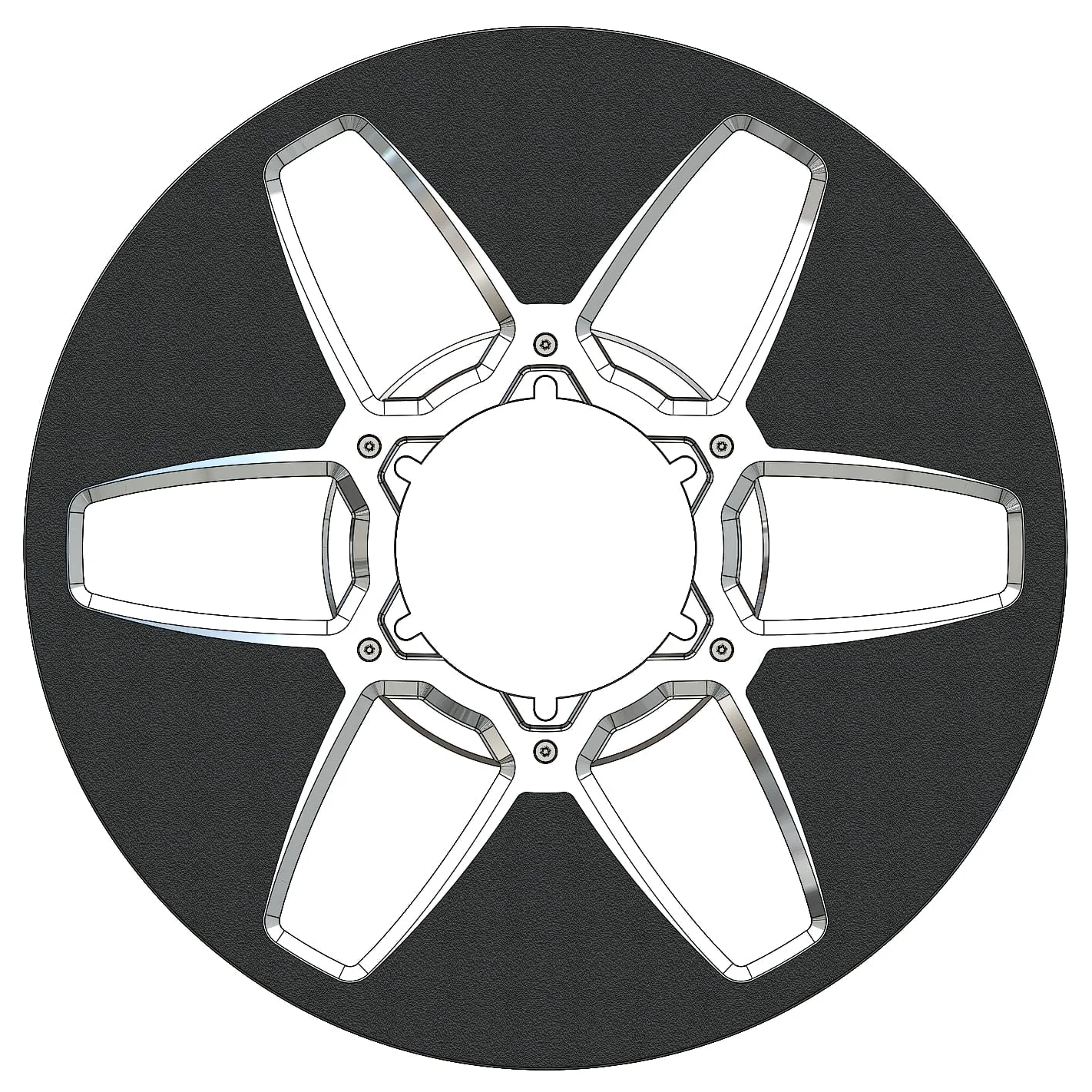
The transport could accommodate reels from approximately 5 inches to 10½ inches, or 13 cm to 26.7 cm.
Both EIA and NAB reel configurations could be used, including suitable plastic and metal reels.
Wow and Flutter
The RS-10A02 was engineered for extremely low wow and flutter.
At 15 ips / 38 cm/s:
JIS weighted RMS: 0.018%
DIN weighted peak: ±0.035%
NAB unweighted RMS: 0.045%
At 7½ ips / 19 cm/s:
JIS weighted RMS: 0.03%
DIN weighted peak: ±0.08%
NAB unweighted RMS: 0.07%
At 3¾ ips / 9.5 cm/s:
JIS weighted RMS: 0.06%
DIN weighted peak: ±0.12%
NAB unweighted RMS: 0.15%
Fast Winding Performance
Fast winding time was specified at less than 150 seconds for 2,500 feet / 762 metres of tape.
The machine also incorporated automatic tape-stop detection.
The tension-roller system could detect the end of a tape or a sudden interruption in tape tension.
The transport would then stop automatically within approximately three seconds.
Real-Time Tape Counter
The tape counter provided a direct read-out in minutes and seconds.
At 15 ips, the display operated as a real-time counter.
Technics specified approximately ±1% accuracy at 15 ips.

|
Editing Facilities
The RS-10A02 was designed with tape editing in mind.
Features included:
- Edit marker
- Tape dump or cue/review facility
- Edit dial
- Cue switch
- Transport monitoring
- Remote-control capability
An optional Technics RP-9690 remote-control unit could provide control of major transport functions.
Remote functions included:
- Record
- Play
- Pause
- Fast forward
- Rewind
- Stop
Head Block Design
Another major feature of the RS-10A02 was its removable professional head block.
The head block was designed for easy maintenance and adjustment.
Tape threading was simplified because the tape could be routed around the complete head assembly rather than passed through a complicated enclosed tape path.
When replacement heads were required, the plug-in design made servicing comparatively straightforward.
Technics noted that head realignment would still be required after replacement to obtain optimum performance.
Three-Head System
The RS-10A02 used a three-head configuration consisting of erase, recording and playback heads.
The machine therefore permitted simultaneous monitoring of the recorded signal directly from tape during recording.
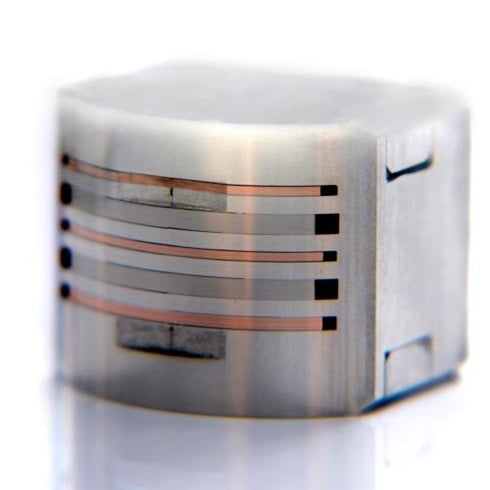
SX Sendust Extra Heads
The recording and playback heads used Technics’ proprietary SX Sendust Extra construction.
Technics produced these heads using a specialised squeeze-casting manufacturing process.
The material combined Sendust alloy with additional compounds intended to improve hardness and durability.
The playback and recording heads were quoted with a hardness of approximately 590 on the Vickers hardness scale.
Technics also shaped the playback-head surface in an X-shaped contour to reduce contour effects.
RS-10A02 Head Specifications
Playback Head
Track: 2-track
Channels: 2-channel
Material: SX Sendust Extra
Gap width: approximately 2 μm
Gap depth: approximately 200 μm
Sensitivity: approximately −63.5 dB / 400 Hz
Recording Head
Track: 2-track
Channels: 2-channel
Material: SX Sendust Extra
Gap width: approximately 10 μm
Gap depth: approximately 200 μm
Recording current: approximately 160 μA
Bias current: approximately 2,700 μA
Erase Head
Track: 2-track
Channels: 2-channel
Material: Ferrite
Gap width: approximately 100 μm × 2
Gap depth: approximately 200 μm
Erasing ratio: approximately 70 dB
Recording Mode Selector
The recording system incorporated separate left- and right-channel recording-mode selectors.
An LED illuminated when either recording channel was activated.
This provided a clear visual warning and helped prevent accidental recording over existing material.

|
Calibration for Optimum Tape Performance
The RS-10A02 included extensive built-in calibration facilities.
Professional magnetic tape formulations vary considerably in sensitivity, bias requirements and equalisation characteristics.
Instead of forcing the recorder to operate optimally with only one tape formulation, Technics provided extensive adjustment controls.
These included:
- Three-position bias selection
- Three-position equalisation selection
- Fine bias adjustment
- Recording EQ adjustment
- Playback EQ adjustment
- Record level calibration
- Playback level calibration
- Internal test-tone oscillator
- Meter sensitivity adjustment
Three-Position Bias and EQ Selectors
Independent three-position bias and equalisation selectors were provided.
The bias selector positions were approximately:
Position 1 — 90%
Position 2 — 100%
Position 3 — 110%
Position 2 represented the nominal reference point.
Bias Fine Adjustment
Bias was continuously adjustable around the selected reference value.
The fine-adjustment range was approximately −50% to +20% relative to the standard value at selector position 2.
Recording and Playback EQ Adjustment
Fine equalisation adjustment was available for both recording and playback.
The recording EQ control could be used together with the bias adjustment to match the recorder to different tape characteristics.
Playback EQ adjustment could also compensate for head wear, replacement heads, tape characteristics and system calibration requirements.
Fine-adjustment range was approximately ±3 dB at 10 kHz.
NAB and IEC Equalisation
The RS-10A02 provided professional equalisation compatibility.
NAB equalisation could be used for all speeds.
For 15 ips playback, the machine could also be switched to the IEC/CCIR standard.
Built-In Test-Tone Oscillator
The machine contained a built-in oscillator generating two reference frequencies:
1 kHz
10 kHz
These signals could be used for precise bias adjustment, equalisation adjustment, level calibration, frequency-response checks and external equipment alignment.
VU Metering and Peak Indication
Large professional VU meters provided level monitoring.
For increased calibration precision, the meter sensitivity could be increased by +10 dB.
Record and Playback Level Calibration
Independent record and playback calibration controls were fitted.
When used with the built-in oscillator, these controls allowed compensation for differences between tape formulations and external equipment.
 |
Frequency Response
15 ips / 38 cm/s:
At approximately −10 dB recording level: 30 Hz – 30,000 Hz ±3 dB
Approximately: 40 Hz – 22,000 Hz ±2 dB
At 0 VU: 30 Hz – 20,000 Hz ±3 dB
Approximately: 40 Hz – 20,000 Hz ±2 dB
7½ ips / 19 cm/s:
At approximately −20 dB: 20 Hz – 25,000 Hz ±3 dB
At approximately −10 dB: 20 Hz – 20,000 Hz ±3 dB
Approximately: 30 Hz – 20,000 Hz ±2 dB
3¾ ips / 9.5 cm/s:
At approximately −20 dB: 20 Hz – 15,000 Hz ±3 dB
Signal-to-Noise Ratio
15 ips:
67 dB at 850 nWb/m
Approximately 62 dB at 370 nWb/m
7½ ips:
67 dB / 62 dB
3¾ ips:
Approximately 65 dB / 60 dB
Distortion
Overall total harmonic distortion at 400 Hz was specified as approximately:
Less than 0.8% at 185 nWb/m / 0 VU
Less than 2% at 370 nWb/m / approximately +6 dB
Channel Separation and Erasure
Channel separation was specified at better than approximately 50 dB at 1 kHz.
Erase depth was better than approximately 65 dB.
The erase oscillator operated at approximately 120 kHz.
Operating Level
The nominal operating level was 185 nWb/m at 0 VU.
Inputs
Balanced Line Input:
Approximately 77.5 mV / −20 dBm
Input impedance: approximately 10 kΩ
Maximum input level: approximately +5 dBm at 50 Hz
Unbalanced Line Input:
Approximately 60 mV / −24 dBm
Input impedance: approximately 47 kΩ
Microphone Input:
Unbalanced microphone input sensitivity approximately 0.25 mV / −72 dBm
Input impedance approximately 4.7 kΩ
Microphone attenuation: 0 / 20 dB switchable
Outputs
Balanced Line Output:
Nominal output approximately 1.228 V / +4 dBm
Output impedance approximately 600 Ω
Maximum output approximately 2.19 V / +8 dBm
Unbalanced Output:
Nominal output approximately 0.775 V / 0 dBm
Maximum output approximately 1.228 V / +4 dBm
Headphone Output
Stereo headphone output with variable level control.
Specified output approximately 65 mV into an 8-ohm load.
Professional Connectivity
For studio installation the machine included balanced connections and could be installed in a standard 19-inch equipment rack.
Shelf brackets were supplied for rack installation.
Physical Specifications
Power Requirements:
AC 120 V, 50/60 Hz
Power Consumption:
Approximately 120 W
Weight:
Approximately 61 lb 11 oz / 28 kg
Dimensions:
Approximately 19¾ × 18 × 10⅛ inches
Approximately 502 × 456 × 257 mm
A Professional Technics Tape Machine
The Technics RS-10A02 represents an unusual chapter in the history of Technics reel-to-reel engineering.
Its combination of 2-track stereo recording, 15 ips professional tape speed, Isolated Loop tape transport, quartz-controlled direct-drive capstan, dual direct-drive reel motors, SX Sendust Extra heads, NAB and IEC compatibility, extensive bias and EQ adjustment, built-in 1 kHz and 10 kHz calibration oscillator, balanced professional connections, large VU meters and 10½-inch reel capability placed it firmly within the serious studio and broadcast class of open-reel machines.
The RS-10A02 was designed not merely to play tape, but to control the entire recording process with a level of precision expected from professional magnetic-recording equipment.
Technics RS-10A02 — Key Specification Summary
Format: 1/4-inch open-reel magnetic tape
Track format: 2-track, 2-channel stereo
Heads: Three-head system
Record/playback heads: SX Sendust Extra
Erase head: Ferrite
Tape speeds: 15, 7½ and 3¾ ips
Maximum reel size: 10½ inches
Transport: Technics Isolated Loop
Capstan: 34 mm quartz-controlled direct drive
Reel drive: Two DC brushless direct-drive motors
Pitch control: approximately ±6%
EQ: NAB plus IEC/CCIR playback at 15 ips
Calibration oscillator: 1 kHz / 10 kHz
Bias: Three-position selector plus fine adjustment
Metering: Dual VU meters with +10 dB sensitivity mode
Connections: Balanced and unbalanced line connections
Remote control: Optional RP-9690
Rack mounting: Standard 19-inch installation
Weight: approximately 28 kg
Technics RS-10A02
Professional 2-Track Open-Reel Tape Deck
A Refined Approach to Meet Professional Requirements

|
Exclusive for The Sound of Tape - Powered by OpenReelToReel Hub
2026 Copyright - All Rights Reserved.
 Chat With Us
